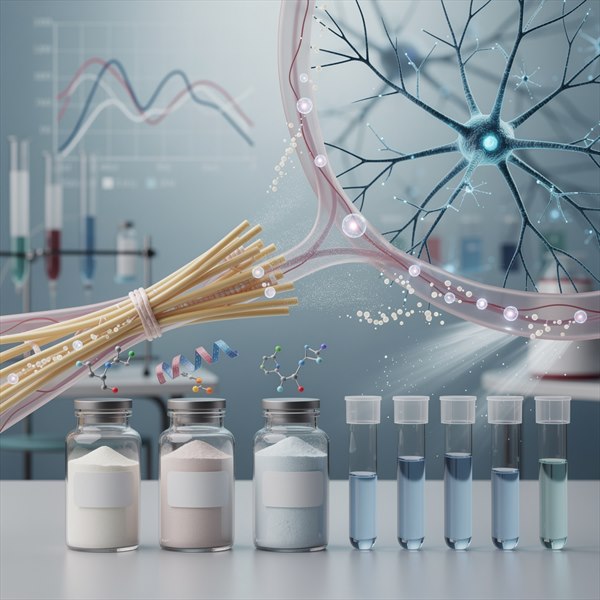
Molecular Mechanisms and Pathways
The molecular mechanisms of BPC-157, TB-500, and neurotrophic peptides in tissue engineering and neural pathway protection have garnered significant attention. These peptides exhibit notable biological activity by regulating key processes such as angiogenesis, nitric oxide system, and collagen deposition. Particularly, their role in the VEGF pathway further reveals their potential in tissue repair and regeneration.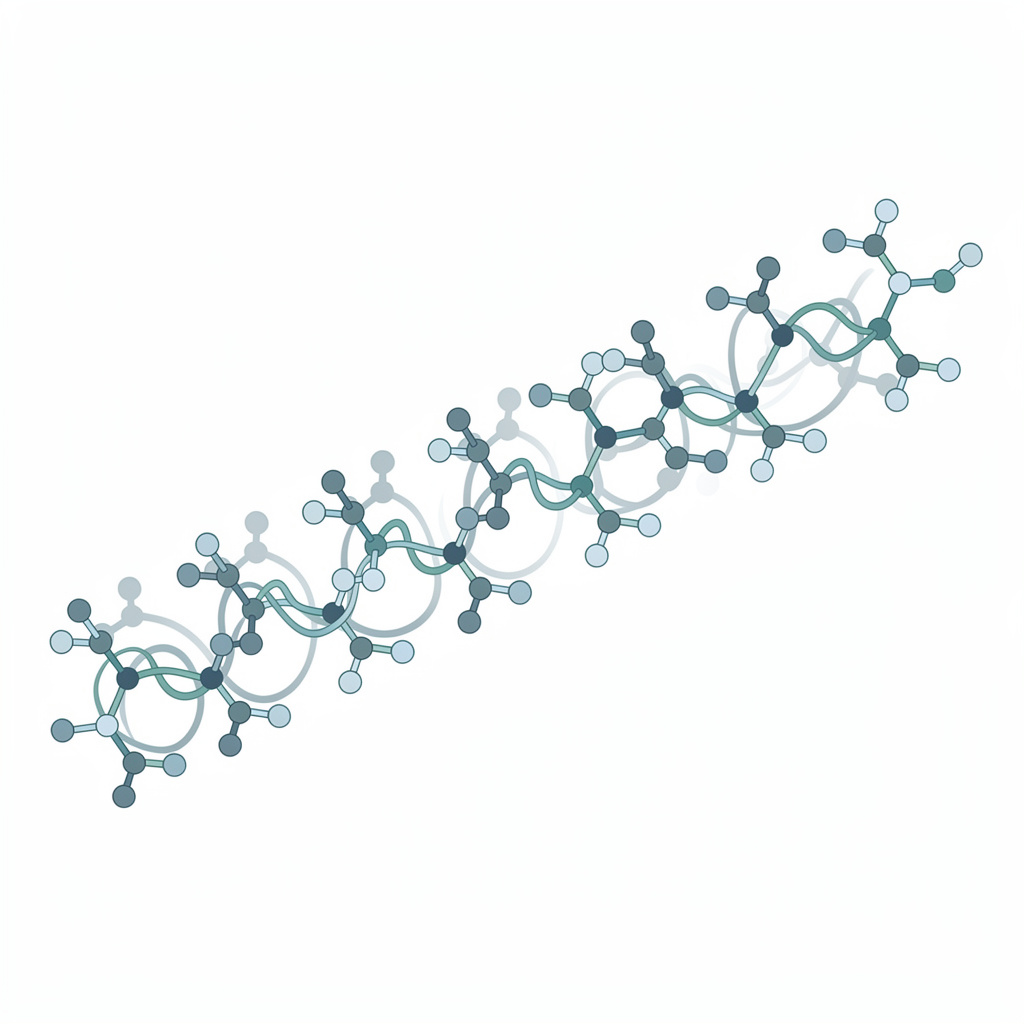
Angiogenesis and VEGF Pathway
Studies indicate that BPC-157 and TB-500 can significantly promote angiogenesis by activating the VEGF pathway, enhancing endothelial cell proliferation and migration. Additionally, neurotrophic peptides such as Semax and Selank play important roles in neural pathway protection by regulating the expression of nerve growth factors, promoting neuronal survival and axon regeneration.
Physicochemical Properties and Experimental Reproducibility
The physicochemical properties of peptides significantly impact their biological activity and experimental reproducibility. The stability and solubility requirements of lyophilized powders, as well as the effects of free base and salt form conversion on activity and purity, are crucial factors in peptide research. Batch uniformity of raw materials and COA test reports play key roles in eliminating variable interference, ensuring the reliability of experimental results.
This article is for scientific reference only and does not constitute any medical advice.