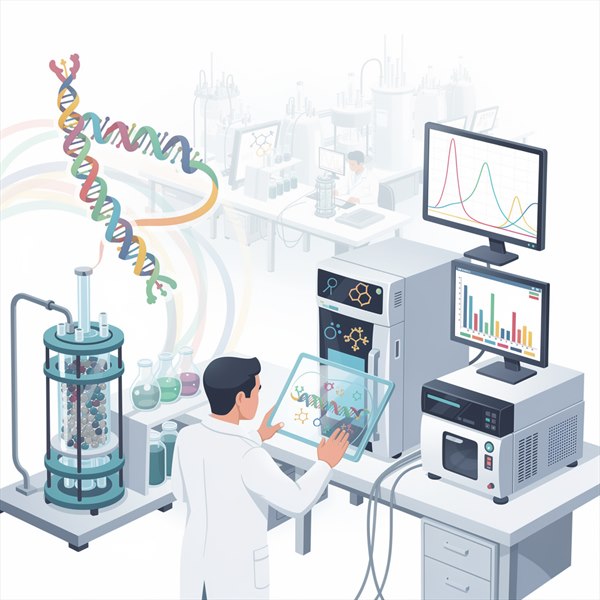
Technological Evolution of GLP-1 Receptor Agonists
As an important class of peptide drugs, GLP-1 receptor agonists have achieved significant progress in scientific research in recent years. With deepening research, their mechanisms of action have gradually evolved from single-target to dual-target and multi-target approaches, a trend that imposes higher demands on peptide chemical synthesis and purification technologies.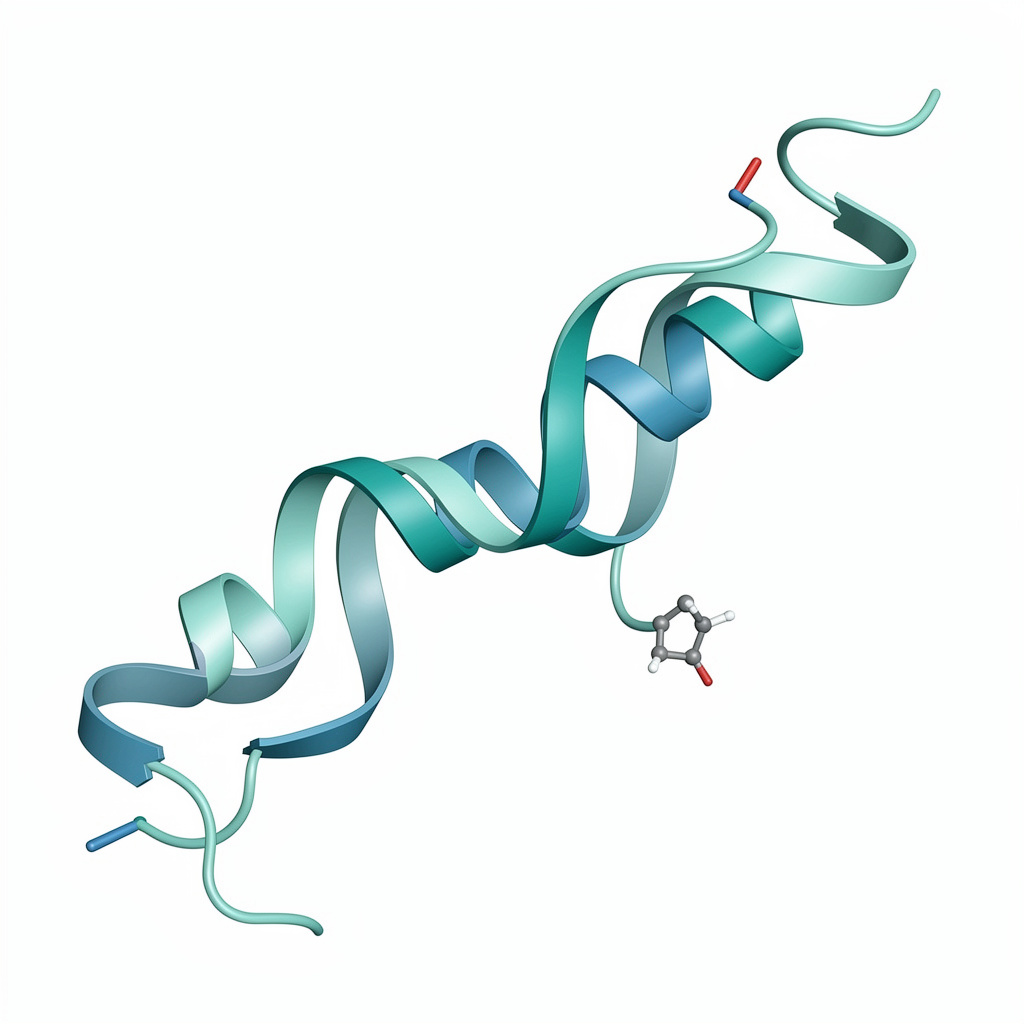
Fatty Acid Chain Modification and Synthesis Challenges
During solid-phase synthesis of long-sequence peptides, the introduction of fatty acid chains is one of the key technologies. This modification not only extends the peptide's half-life but also enhances its biological activity. However, the presence of fatty acid chains also introduces numerous challenges to the synthesis process. First, the probability of byproduct formation during the reaction significantly increases, especially with longer peptide sequences, where both the variety and quantity of byproducts rise substantially. Second, the introduction of fatty acid chains may alter the reactivity of certain amino acid residues, thereby affecting overall synthesis efficiency. Additionally, during purification, the presence of fatty acid chains increases the difficulty of separating peptides from other impurities, placing higher demands on subsequent quality control steps.
Peptide Purity and Receptor Affinity
In the development of peptide drugs, purity is a critical quality indicator. Particularly for GLP-1 receptor agonists that act on specific receptors, purity directly affects their receptor affinity. Research shows that even trace amounts of impurities can significantly interfere with in vitro cell experiments, leading to biased results. Therefore, strict purity requirements are imposed for research-grade applications. These high-purity standards apply not only to the final product but also to rigorous control of intermediates and byproducts.
Application of HPLC and MS Technologies in Quality Control
High-performance liquid chromatography (HPLC) and mass spectrometry (MS) technologies play vital roles in peptide quality control. HPLC technology, by optimizing column separation precision, can effectively separate peptide main components from impurities, ensuring product purity. MS technology provides confirmation of peptide molecular weight and structural information, which is crucial for verifying the correctness of synthetic products. In practice, these two technologies are often used in combination to provide comprehensive quality control solutions.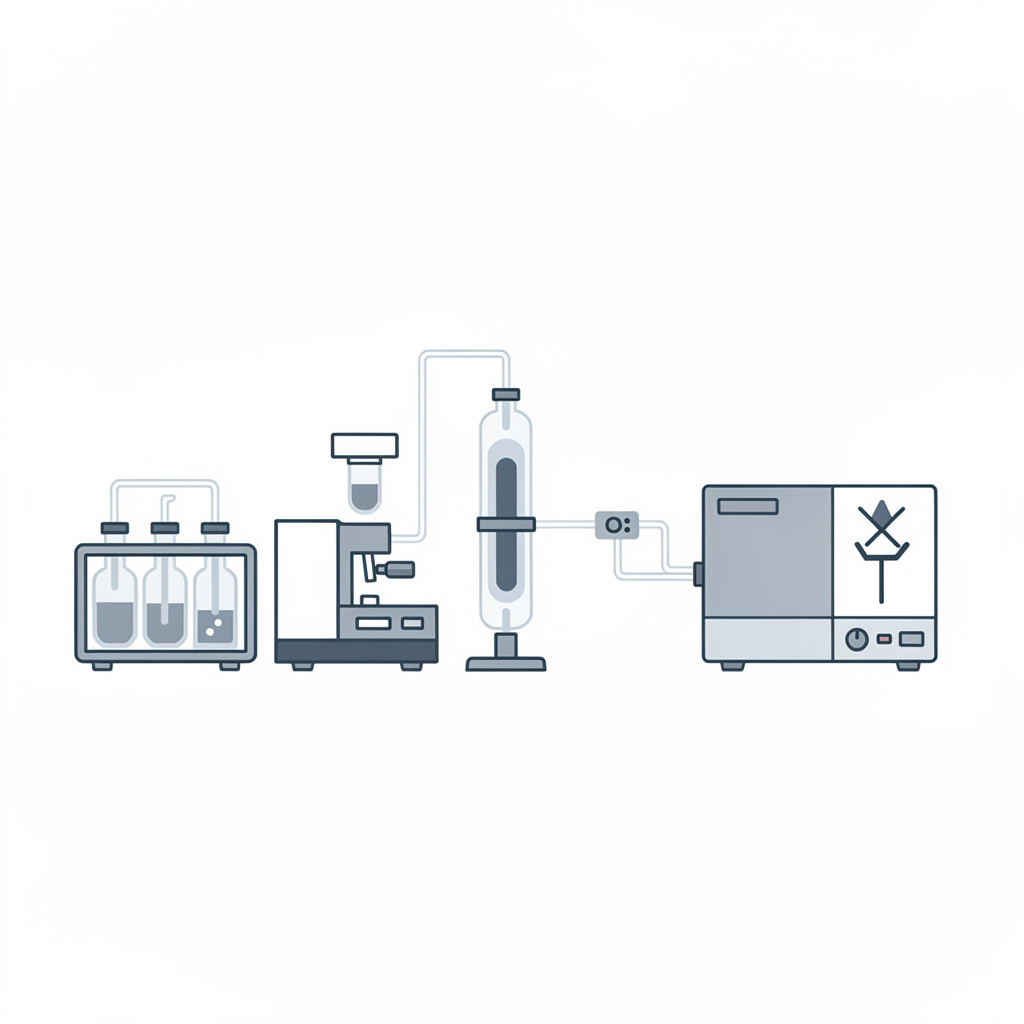
This article is for scientific research reference only and does not constitute any medical advice.