
Technical Origins of Salt-Form Issues in Solid-Phase Synthesis
In conventional solid-phase peptide synthesis (SPPS) workflows, trifluoroacetic acid (TFA) serves as a critical reagent in the deprotection step during backbone assembly, and its residues form stable trifluoroacetate complexes with the final product. This salt form may generate non-specific interference in in vitro cell-culture systems, including—but not limited to—effects on membrane-potential stability, proton-concentration gradients, and the binding activity of specific receptors. Understanding this formation mechanism helps researchers incorporate salt-form selection as an initial variable in experimental design.
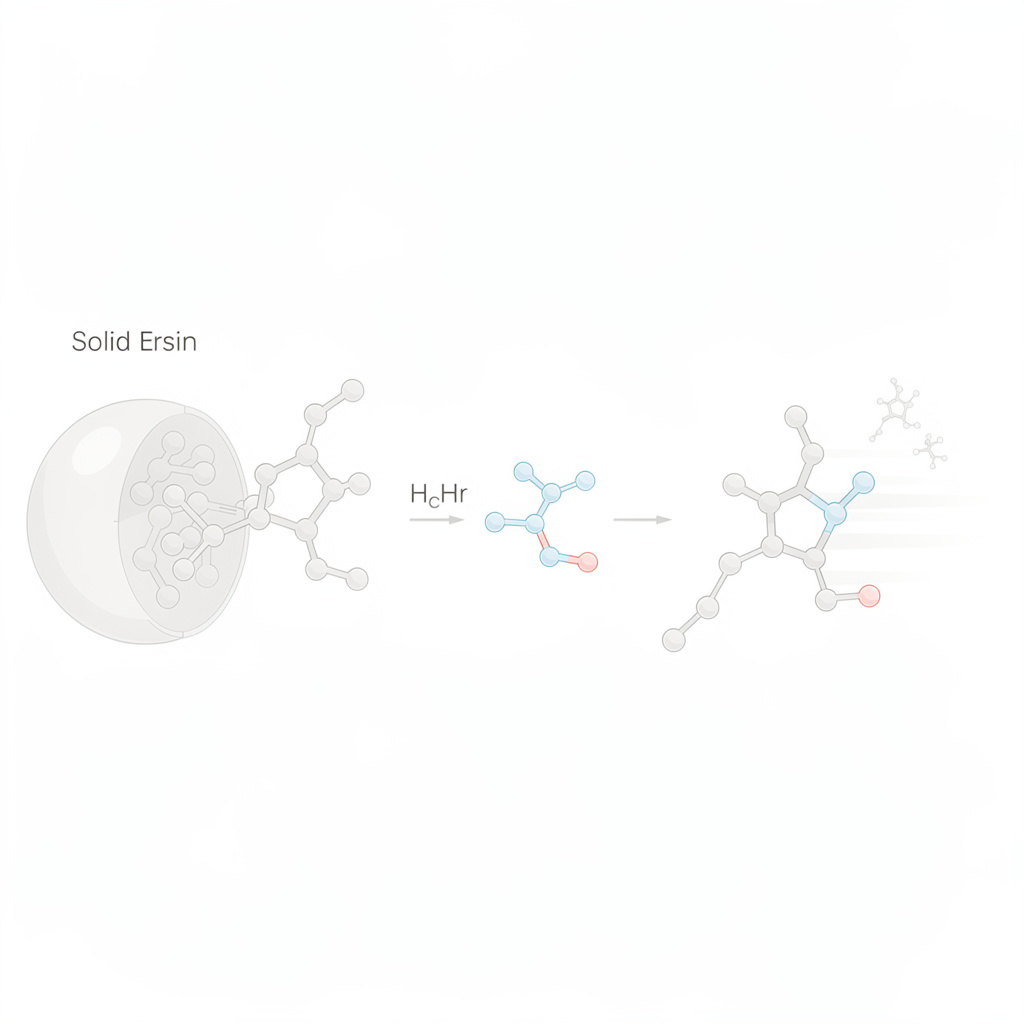
Process Logic and Quality Checkpoints of Salt-Form Conversion
Salt-form conversion is essentially a molecular-conformation reconstruction achieved through ion exchange. Acetate systems are a common choice for cell-based experiments owing to their mild acidic conditions, while hydrochloride salts demonstrate advantages in certain stability studies. Key parameters to monitor during conversion include: ion-exchange efficiency, counter-ion residual levels, secondary-structure integrity, and changes in solubility characteristics. HPLC-MS (high-performance liquid chromatography coupled with mass spectrometry) can provide critical data such as molecular-weight confirmation, purity assessment, and salt-form ratios.
From a development-cycle perspective, the consistency of salt forms between small-scale screening and large-scale production directly affects the reproducibility of experimental data. This requires manufacturing processes to establish rigorous standard operating procedures for salt-form conversion, ensuring reliable parameter transfer from milligram-scale exploration to gram-scale preparation. Modern peptide manufacturing facilities achieve this goal through online mass-spectrometry monitoring and fraction-collection technology.
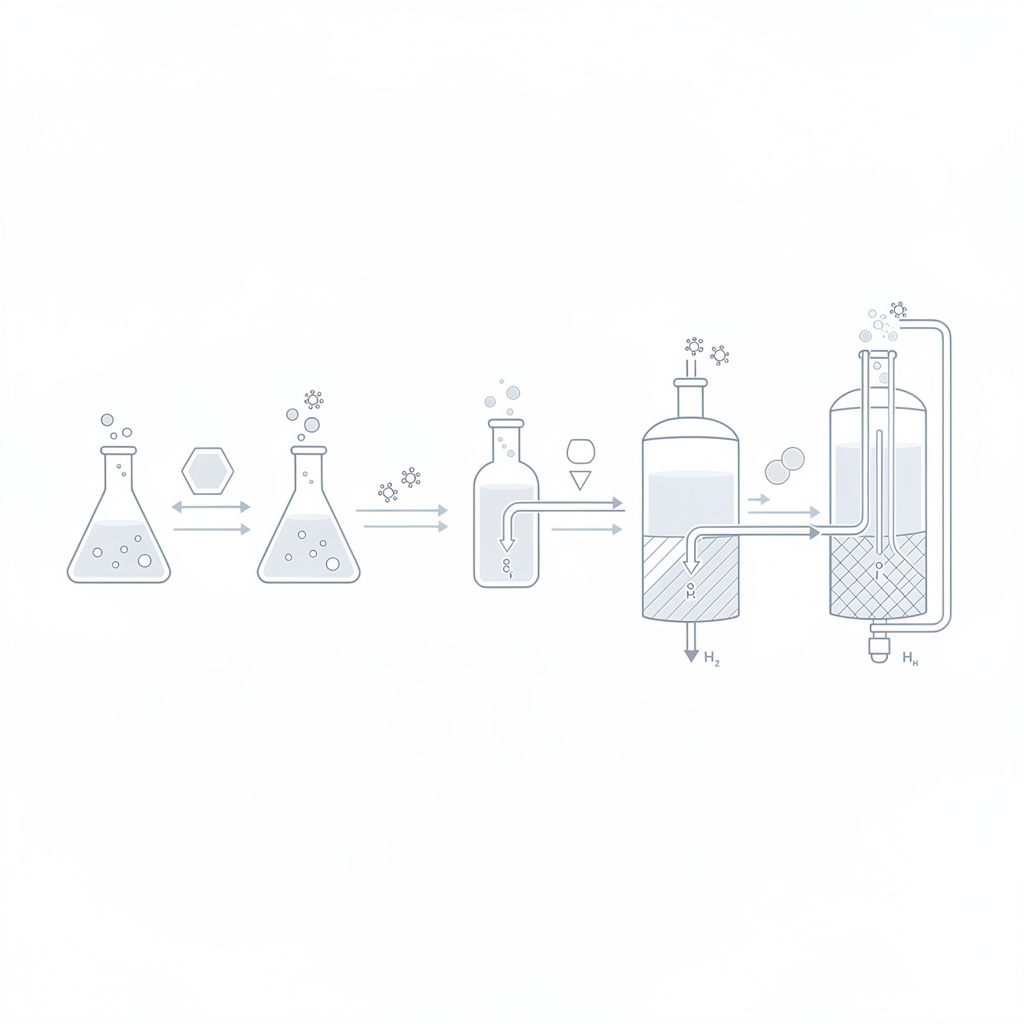
A Systematic Approach to Quality Confirmation
Chromatography-mass spectrometry hyphenated techniques constitute the gold standard for salt-form confirmation: reversed-phase chromatographic separation can distinguish different salt-form variants, while high-resolution mass spectrometry provides confirmatory data on molecular composition. Professional suppliers typically establish third-party testing collaboration mechanisms, eliminating instrument-system errors through cross-platform data comparison. This multi-dimensional verification system significantly enhances the objectivity and credibility of analytical results.
This article is intended for scientific research reference only and does not constitute any medical advice.