
Efficiency Bottlenecks of Traditional Payment Methods
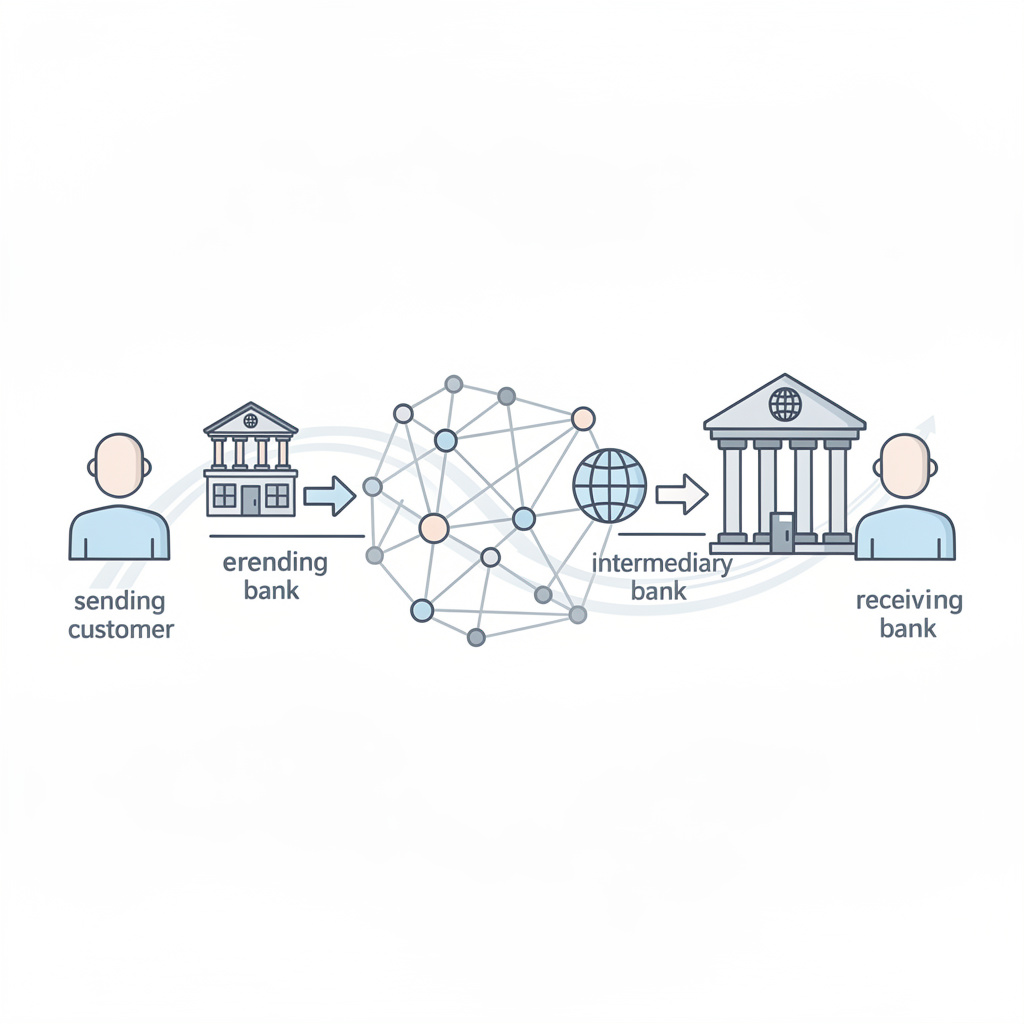
In international peptide raw material procurement, traditional bank wire transfers have long been a common payment choice. However, this approach faces two major challenges: high transaction fees and lengthy settlement periods. For laboratories and enterprises, these factors frequently slow down project timelines and undermine overall efficiency.
Core Advantages of Web3 Payments
Web3 payment methods represented by stablecoins offer a new approach to addressing these issues. First, the selection of mainstream networks is based on security and stability considerations, ensuring the reliability of each transaction. Second, this payment method achieves near-real-time settlement speeds, significantly shortening procurement cycles. In addition, Web3 payments leverage encryption technology to protect buyer privacy, providing a higher level of security throughout the procurement process.
Convenience of Account Management
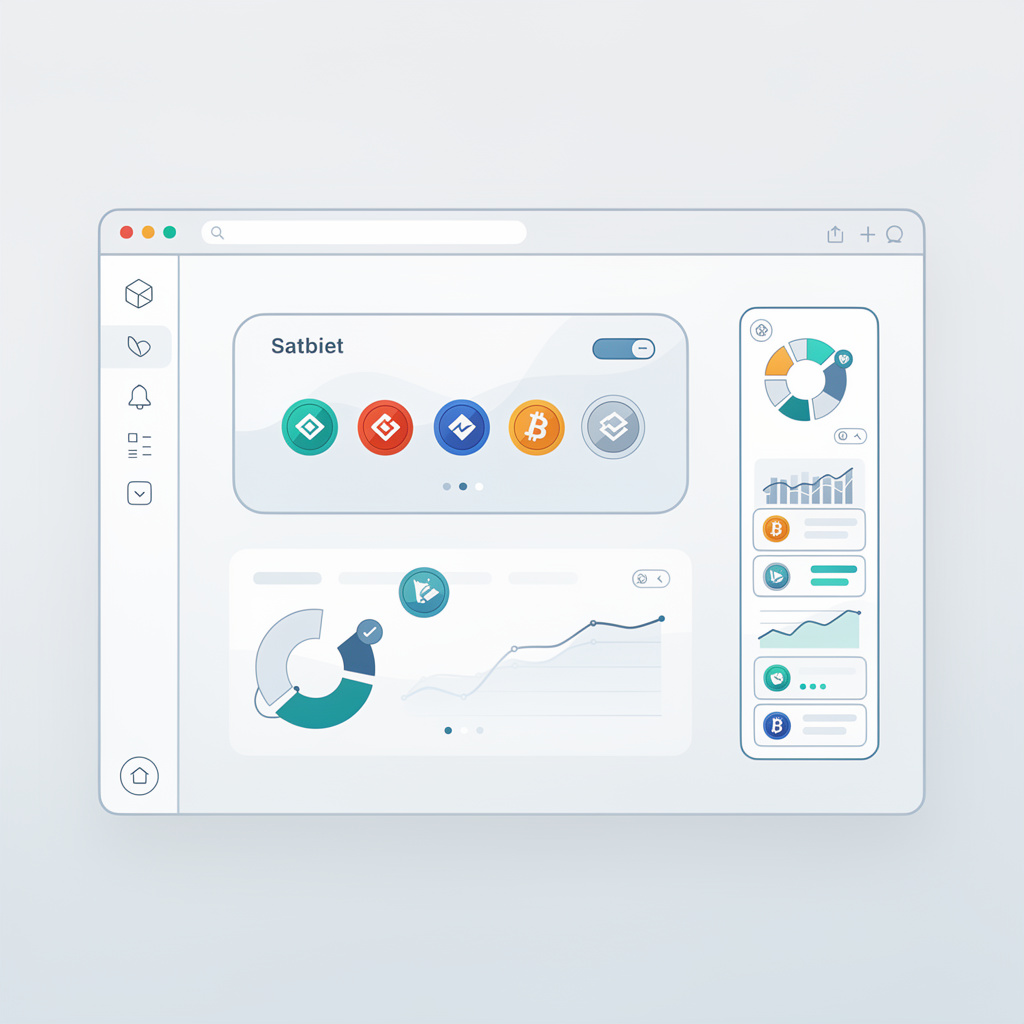
Web3 payment platforms are typically equipped with comprehensive account management systems. Procurement managers can intuitively view balances through an asset control dashboard and use the top-up function to pre-deposit funds centrally and allocate them flexibly. This centralized management approach not only improves capital utilization efficiency but also provides greater financial visibility to support procurement decision-making.
Long-Term Benefits of Top-Up Reward Programs
Pre-deposited balances can be applied directly toward payment for goods and shipping costs, and some platforms have also introduced top-up reward programs. These reward mechanisms effectively enhance the overall cost-effectiveness of procurement and have a positive impact on long-term purchasing costs. By making strategic use of top-up rewards, procurement teams can achieve cost optimization while maintaining quality standards.
This article is intended for scientific research reference only and does not constitute any medical advice.